
Top-Quality Supplies For Stair Railing Installation Projects
Find the best products to ensure your stair railing setup is safe, stylish, and long-lasting with professional-grade options.
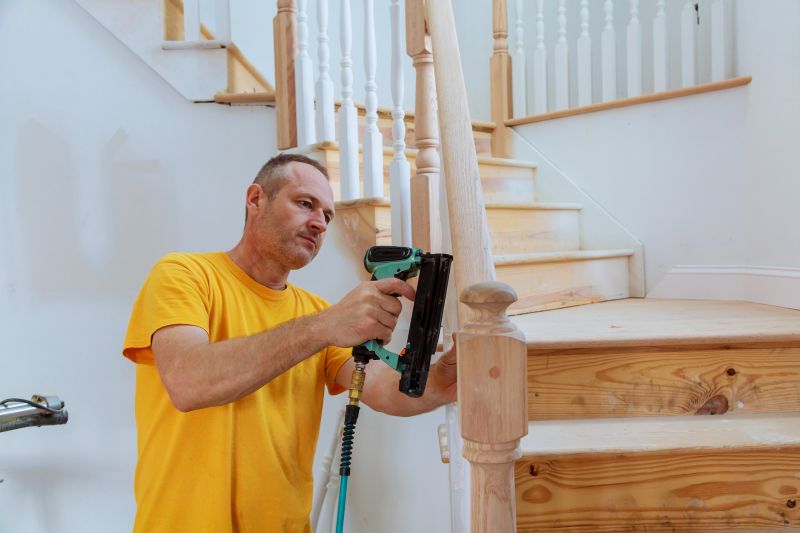 Installing stair railings is an essential aspect of both safety and aesthetic appeal in many homes and commercial spaces. A well-chosen railing system can enhance the overall look of a staircase while providing reliable support. When selecting products for stair railing installations, it's important to consider various factors such as material durability, ease of installation, and compatibility with existing structures. The market offers a wide array of options, from traditional wood balustrades to modern metal and glass systems, each suited to different design preferences and functional needs.
Top Overall Option
Modular Railing System
A versatile modular railing system offers adaptable components that can be customized to fit various staircase configurations and aesthetic preferences. Designed for straightforward installation, these systems often include pre-measured parts, adjustable brackets, and a range of finishes. They provide a balanced combination of durability, style, and ease of assembly, making them suitable for both DIY enthusiasts and professionals. The modular nature allows for future modifications or expansions, ensuring long-term usability and flexibility.
Types of Products For Stair Railing Installations
Wood Balustrades
Traditional wooden balustrades are crafted from various types of wood, offering a classic look and customizable designs. They can be stained or painted to match interior decor.
Metal Handrails
Stainless steel, aluminum, or wrought iron handrails provide strength and modern appeal, suitable for both indoor and outdoor use.
Glass Panels
Glass panels create an open, contemporary aesthetic and are often combined with metal or wood frames for support.
Cable Railing Systems
Cables stretched between posts offer a sleek, minimalist look while maintaining safety and unobstructed views.
Composite Railing Systems
Made from durable synthetic materials, composite systems require minimal maintenance and can mimic the appearance of wood or metal.
Wrought Iron Railings
Wrought iron provides intricate designs and robust support, often used in decorative or historic settings.
PVC Railing Systems
PVC options are lightweight, weather-resistant, and easy to install, ideal for outdoor staircases.
Cable & Post Kits
These kits include posts and cable fittings, allowing customization for various staircase widths and styles.
Decorative Newel Posts
Large, ornamental posts serve as focal points and support for the railing system.
Bracket & Mounting Hardware
Essential components for secure attachment of handrails and balustrades to walls or stairs.
Corner and Transition Connectors
Specialized fittings to facilitate seamless transitions around corners and changes in direction.
Handrail Extensions
Extensions provide continuous support along longer staircases or ramps.
Post Caps and Finials
Decorative elements that enhance the aesthetic of the railing posts.
Sliding or Folding Railing Panels
Flexible panels that can be moved or folded for versatile access and safety.
Popular Choices
Known for their durability and sleek appearance, stainless steel handrails are frequently chosen for modern staircases.
Offering a contemporary look, glass panels are popular in both residential and commercial settings for their transparency.
Combining traditional wood elements with modern metal accents, these systems are versatile and widely used.
Cable systems are favored for their minimalist style and ability to maintain sightlines.
Lightweight and rust-resistant, aluminum options are suitable for outdoor stairs and decks.
Intricate wrought iron designs remain popular for adding decorative detail and sturdy support.
Affordable and weather-resistant, PVC kits provide low-maintenance options for outdoor stairs.
Composite materials are gaining popularity due to their durability and ease of maintenance.
Combining metal frames with glass panels creates a sleek, contemporary aesthetic.
Bold, ornamental posts are often used as statement pieces in stairway design.
Flexible brackets allow for precise positioning and secure attachment of handrails.
Specialized connectors facilitate seamless design around stair bends and landings.
Caps add finishing touches and decorative flair to the top of support posts.
Ideal for multi-use spaces, these panels can be folded or moved as needed.
Materials used in stair railing products range from sturdy woods and metals to innovative composites. Wood options provide a warm, classic look and are often favored for residential settings, while metals like stainless steel, aluminum, and wrought iron offer strength and contemporary appeal. Glass panels are increasingly popular for their sleek, modern aesthetic and ability to create an open, airy feel in a space. Many products are designed for DIY installation, featuring modular components and clear instructions, but professional installation may be recommended for complex or custom designs.
Safety standards and building codes play a crucial role in selecting the right products. Proper height, spacing, and secure attachment are vital to ensure that the railing system provides effective support. Additionally, consider the maintenance requirements of different materials; some may need regular sealing or cleaning to retain their appearance and structural integrity. With a broad selection of styles, finishes, and installation types available, homeowners and contractors can find options that align with their specific design goals and safety needs, making stair railing installation both functional and visually appealing.
Key Buying Considerations
- Material durability and suitability for indoor or outdoor use
- Compliance with local building codes and safety standards
- Ease of installation, whether DIY or professional setup
- Design style compatibility with existing decor
- Maintenance requirements of the chosen material
- Weight and strength of the railing components
- Corrosion resistance for outdoor applications
- Availability of customization options such as finishes and colors
- Compatibility with existing staircase dimensions and configurations
- Cost and overall budget constraints
- Availability of replacement parts and accessories
- Ease of cleaning and long-term upkeep
- Safety features such as appropriate height and spacing
- Aesthetic appeal and visual harmony with surroundings
- Environmental factors like exposure to weather or moisture
This page contains affiliate links. Purchasing through these links may earn a commission at no additional cost to you.